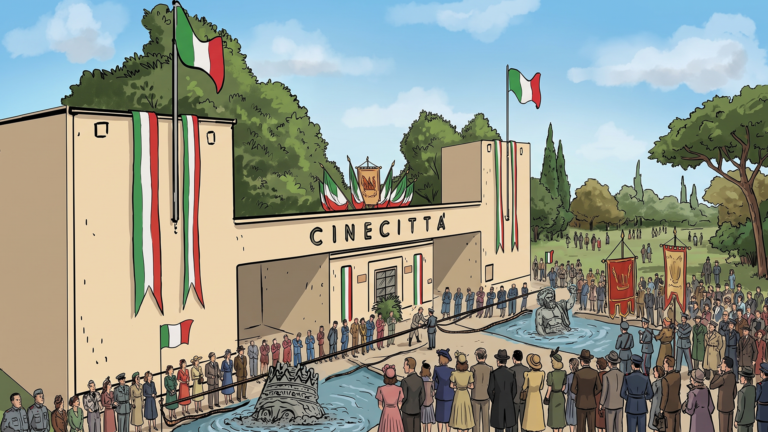
The White T-Shirt
A scroll-driven timeline tracing one garment from 1913 Navy issue to today's runway. Concept piece.

Concept piece — no client. A scroll-driven timeline built from the Fashion Decoded chapter artwork (AKQA, Google Arts & Culture x MoMA), tracing one garment across eight decades.
The Brief
The White T-Shirt follows one garment from 1913 Navy issue to today’s runway, told as a scrolling timeline: six moments, each with its own illustration and a short piece of real cultural history. Built from the illustration work delivered for the Fashion Decoded VR chapter, reframed here as a standalone read.

 Before
After
Before
After 1913
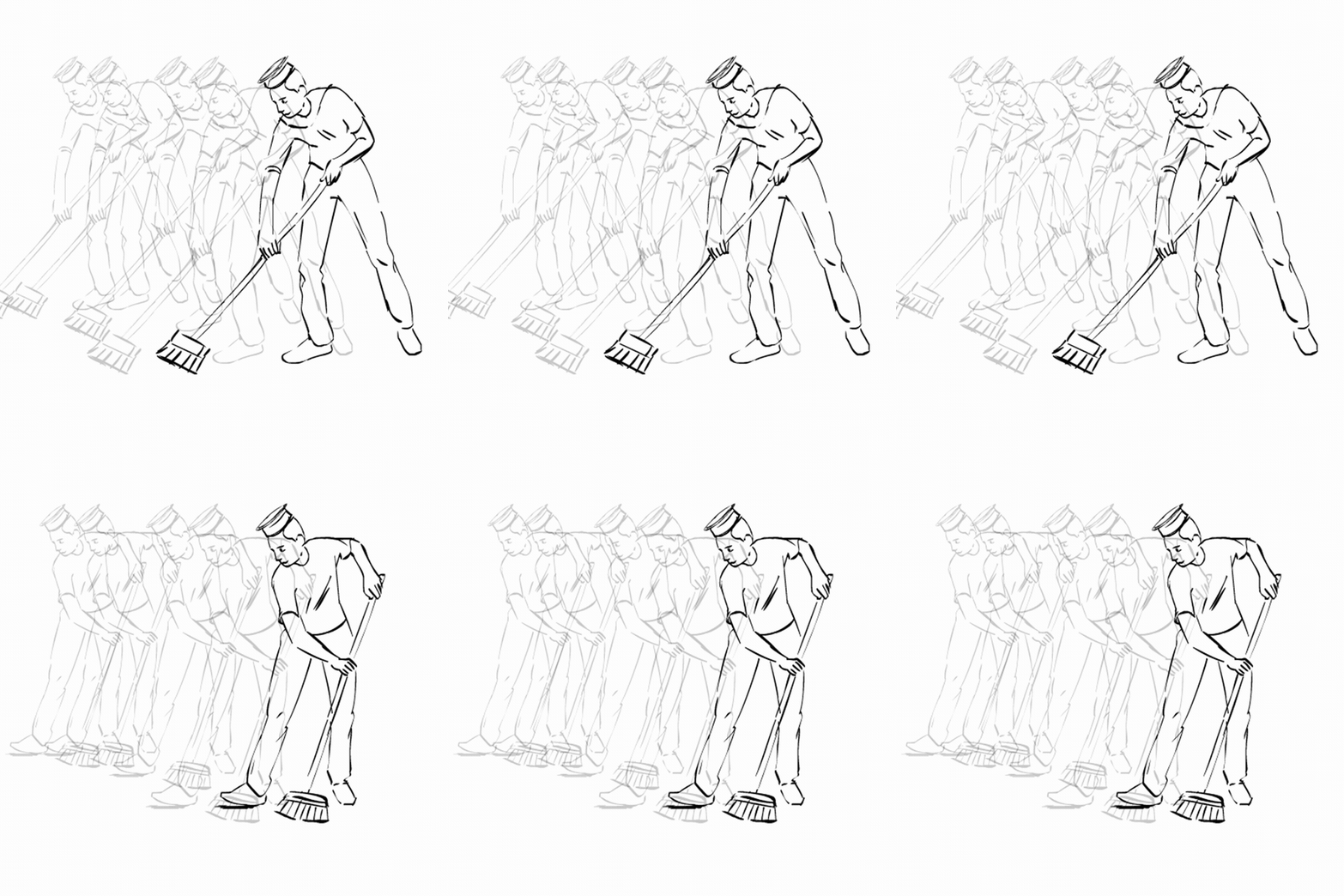
Issued, Not Chosen
The U.S. Navy makes a crew-neck cotton undershirt standard issue. Cheap, washable, identical on every sailor aboard. The t-shirt begins its life as the opposite of individual style.
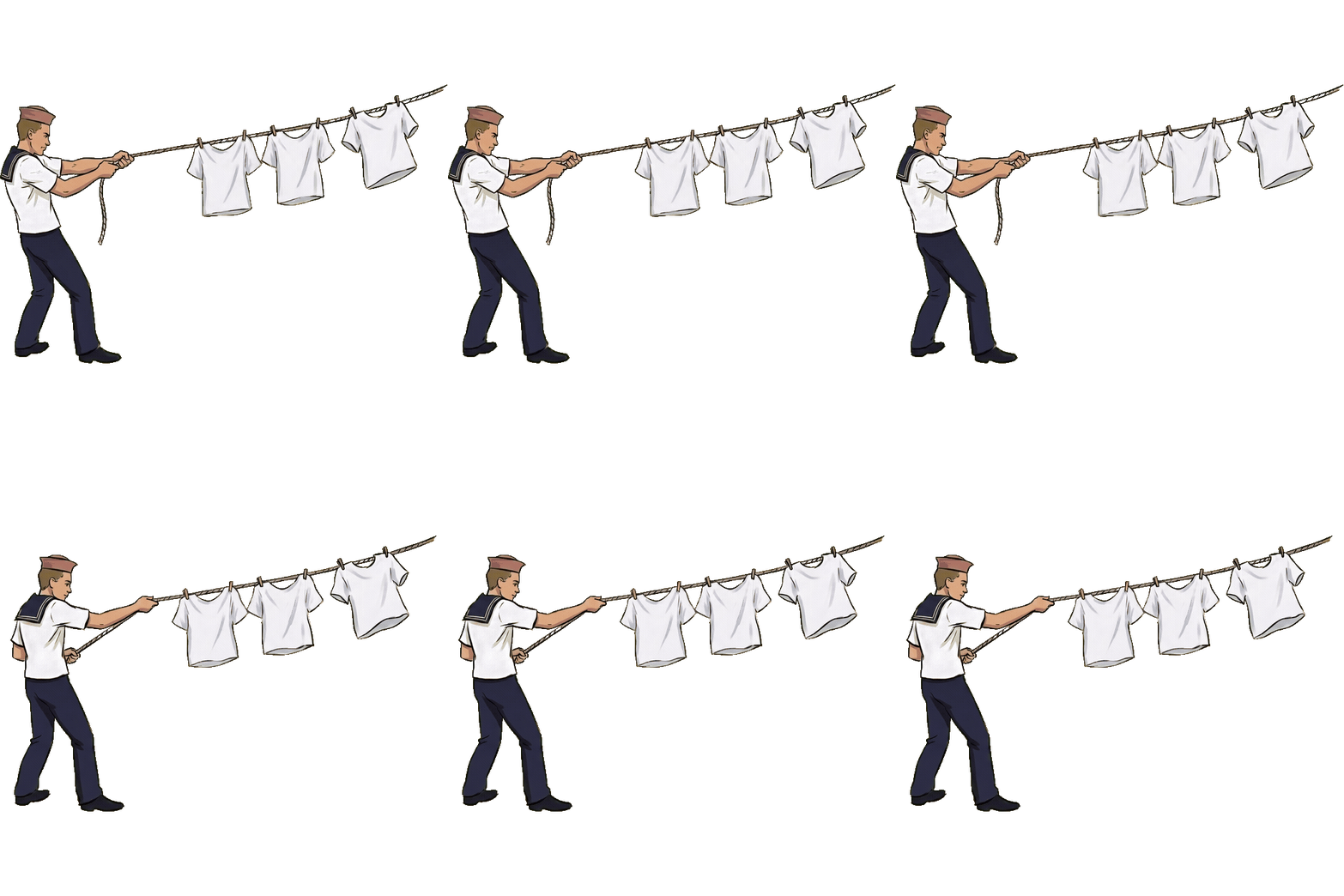
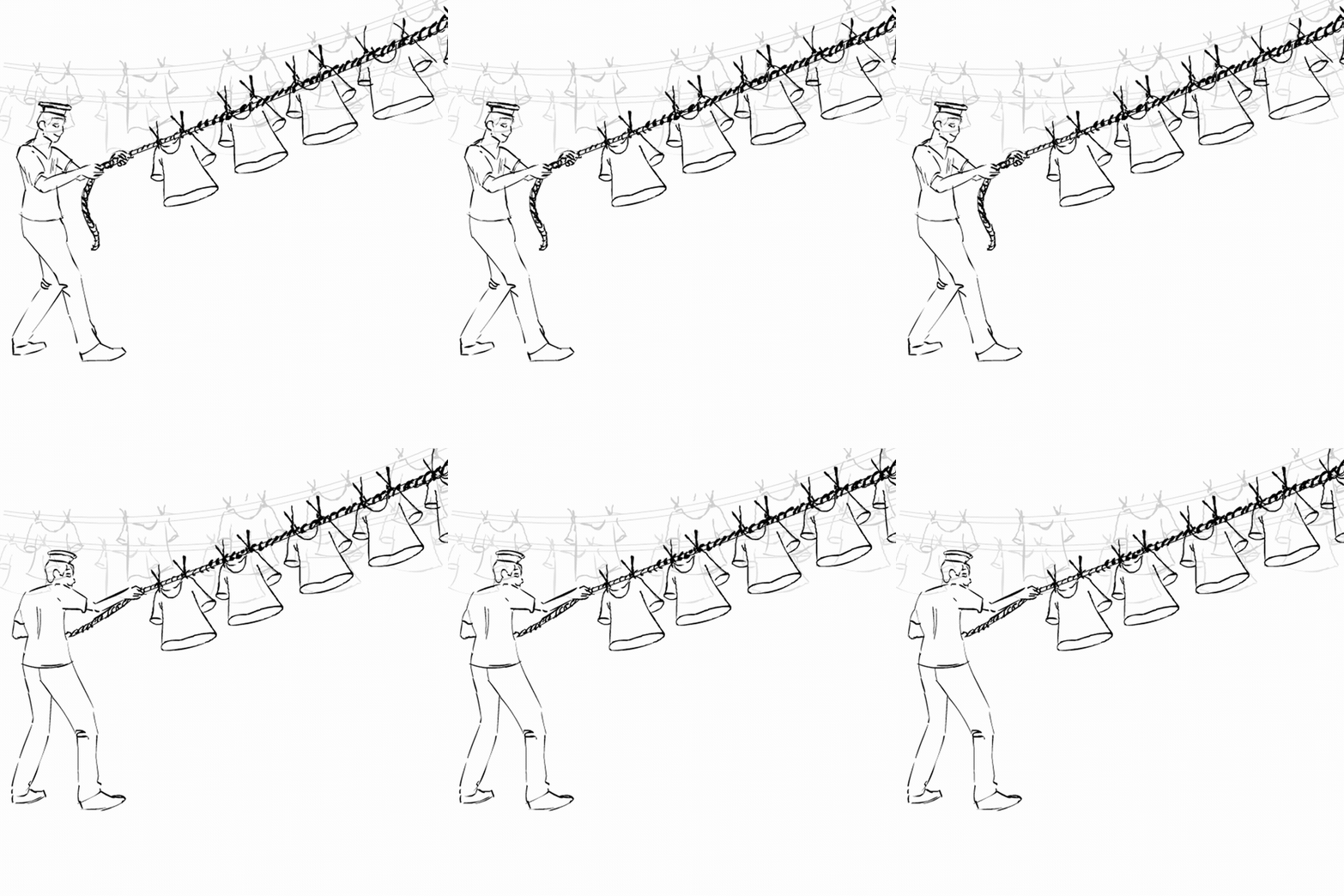
A Thousand Identical Shirts
Sailors come home from the war and keep wearing it, first under a shirt, then on its own on a hot day. By the late 1940s, millions of American men own a plain white t-shirt for the first time as civilians. The garment has already escaped its uniform.
1945
 Before
After
Before
After 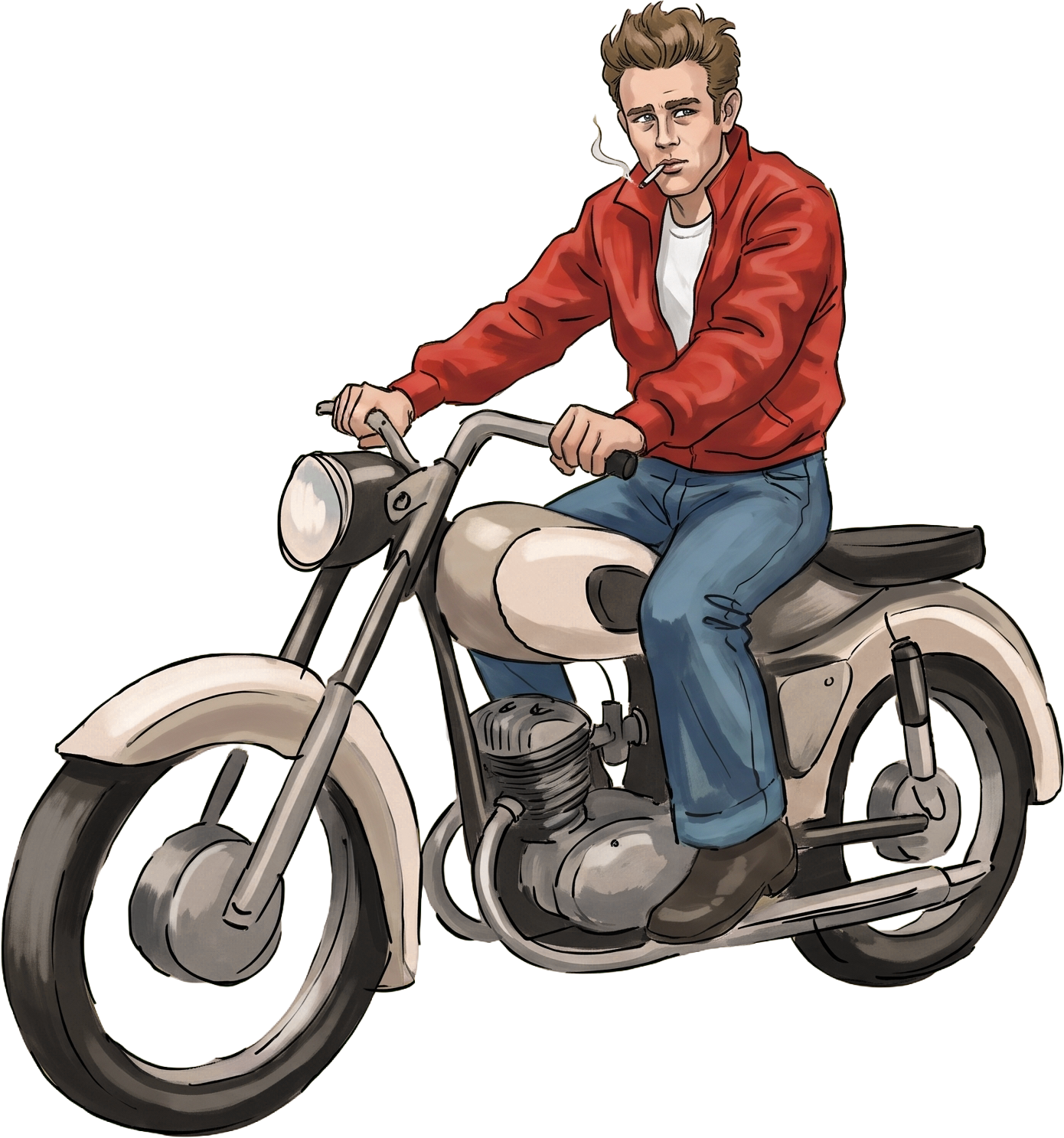
1955
The Shirt Becomes a Symbol
A man in nothing but a t-shirt on screen reads as dangerous. Brando wears one in A Streetcar Named Desire. Dean wears one on a motorcycle. Studios fight censors just to show it. A garment issued for hygiene is now read as a threat to decency.
The Supermodel Era
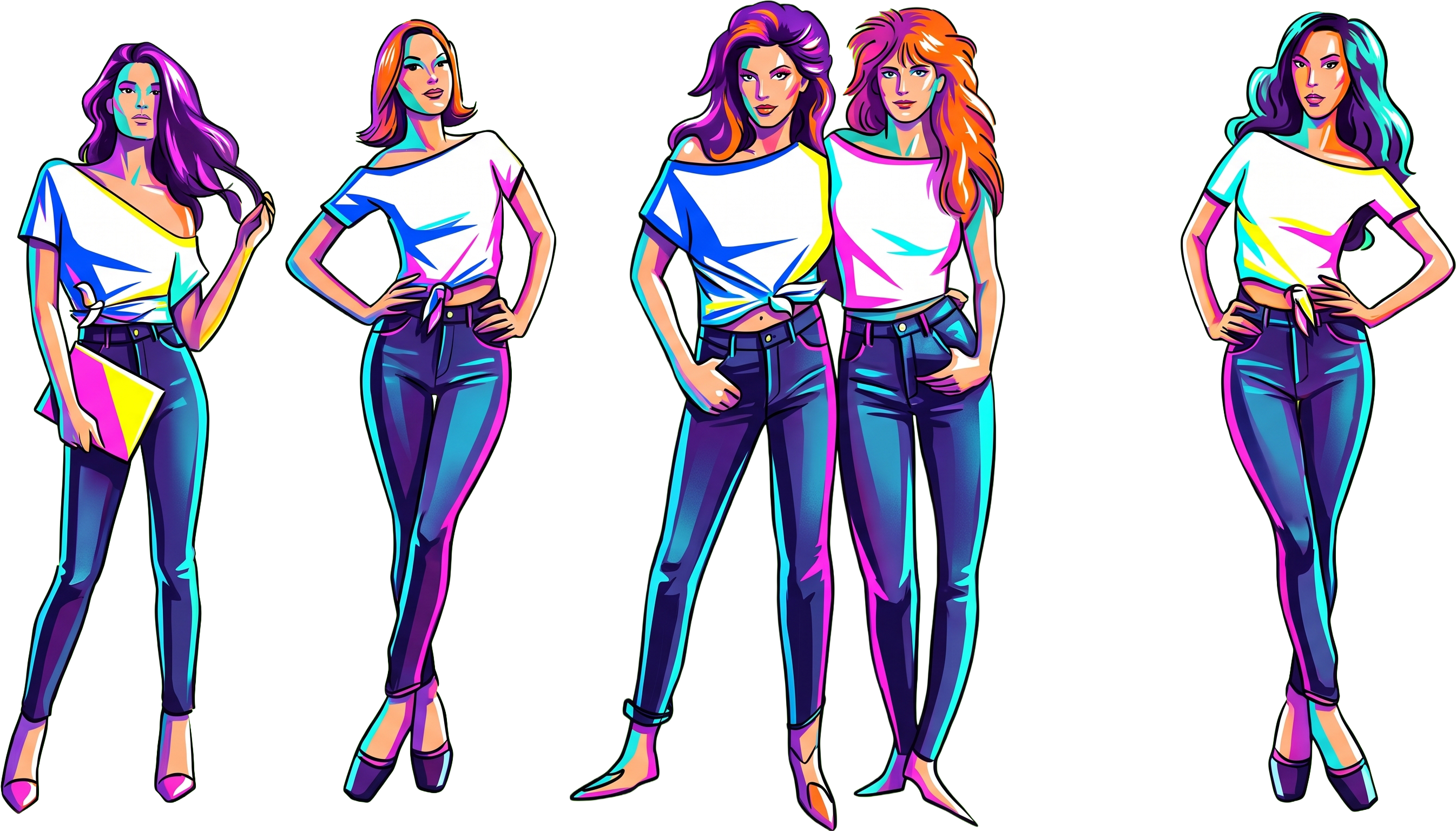
By the early 1990s, a handful of models have become famous enough to go by first name alone. The plain white t-shirt, tied up at the waist with high-rise jeans, becomes their off-duty uniform, the look that sells the idea of effortlessness. Five women, five silhouettes, the same blank garment styled five different ways.
1991
 Before
After
Before
After 1994
Worn Large, Worn Loud
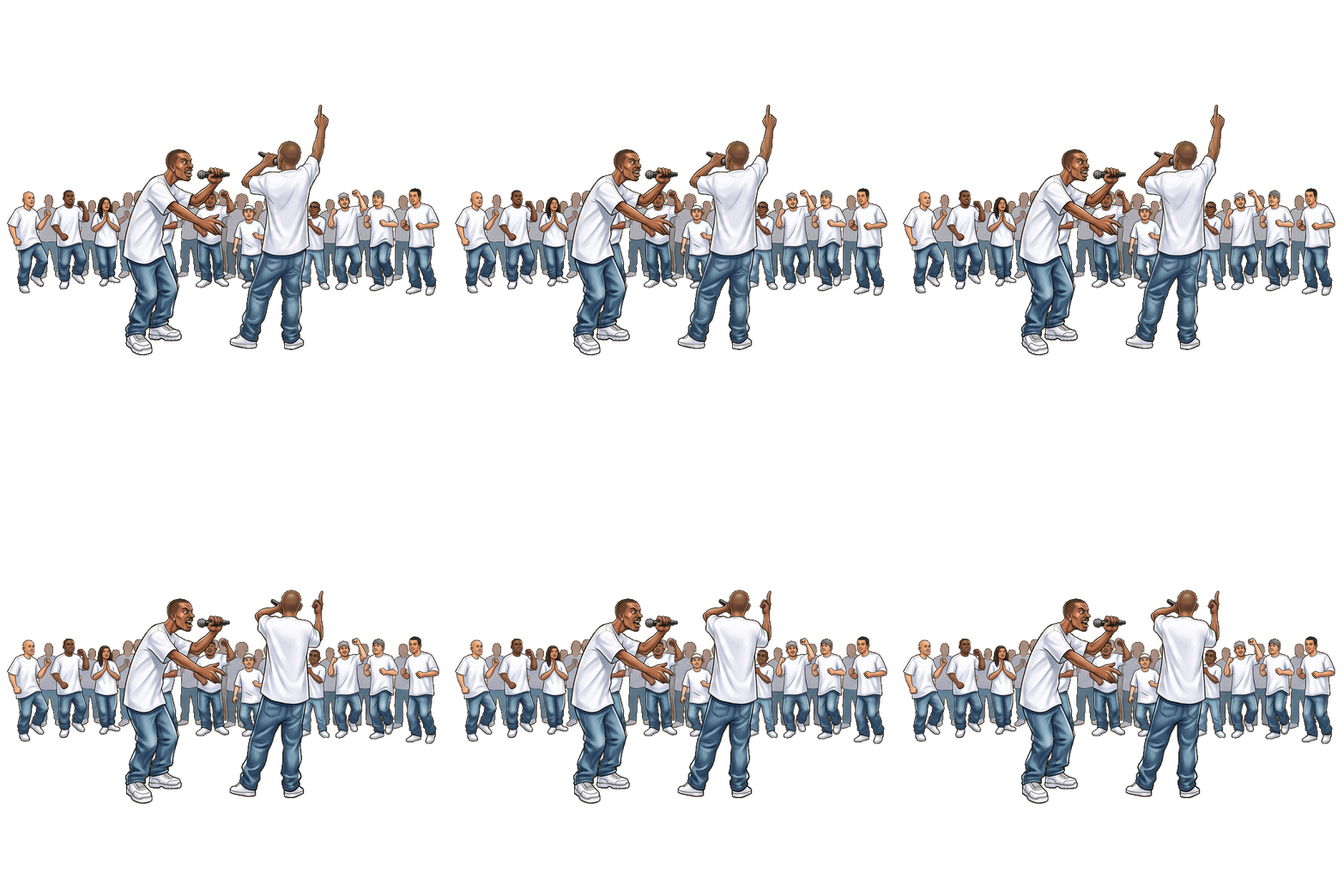
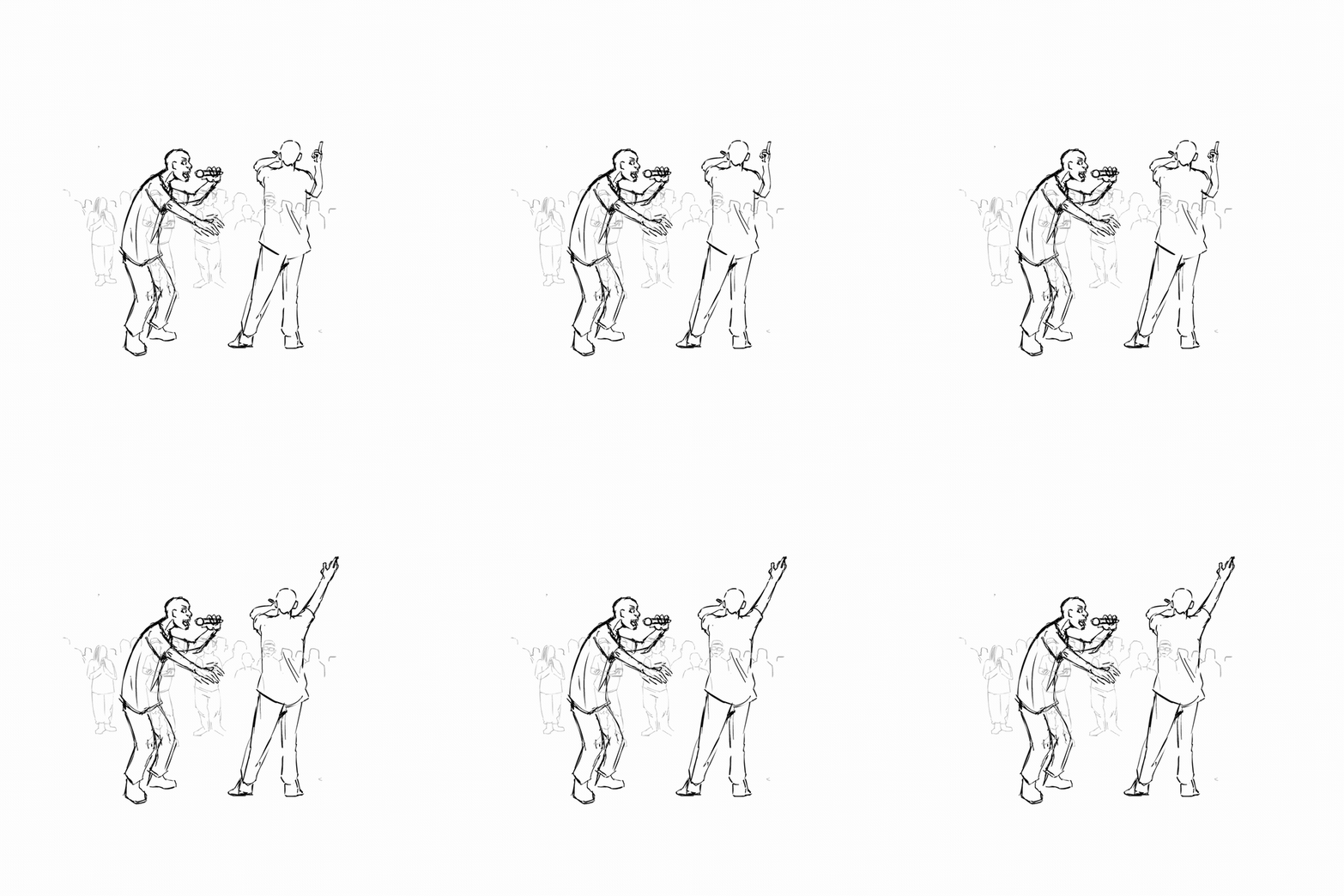
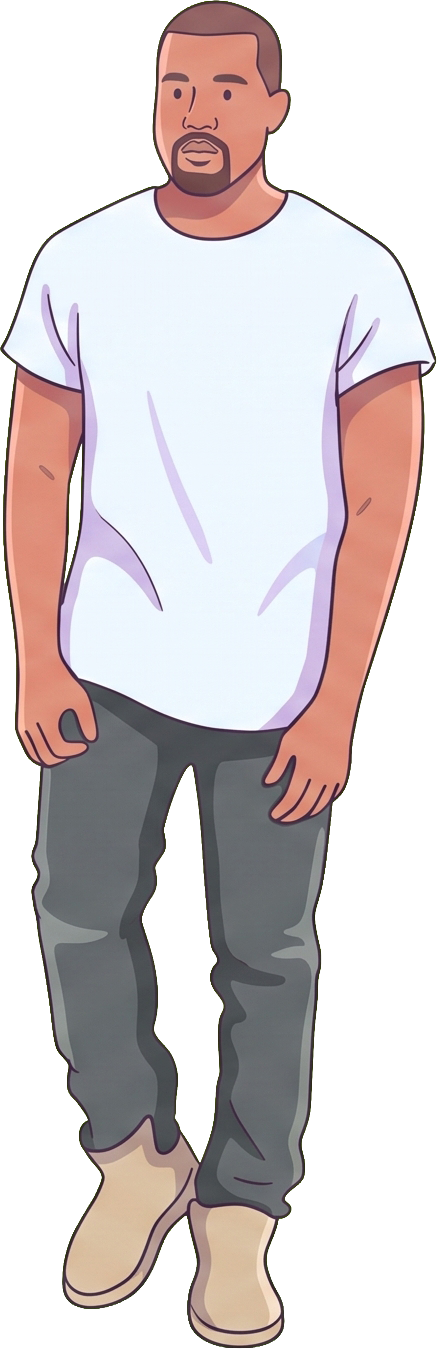
Oversized, worn loose, often several sizes too big. In hip-hop culture it reads as presence, a canvas for a crew, a battle, a crowd. The same silhouette that read as rebellious on Dean now reads as community, a uniform chosen, not issued.
Full Circle
A plain white t-shirt appears on nearly every luxury runway, sold at a markup that has nothing to do with the cotton. Designers aren’t adding to the garment. They’re trading on everything it has already carried: discipline, rebellion, repetition, scale.
Today
The Result
Nothing about the shirt itself changed in a hundred years. What changed was who wore it, and why. Six scenes, six decades, one garment, read front to back as a single scrolling line.