
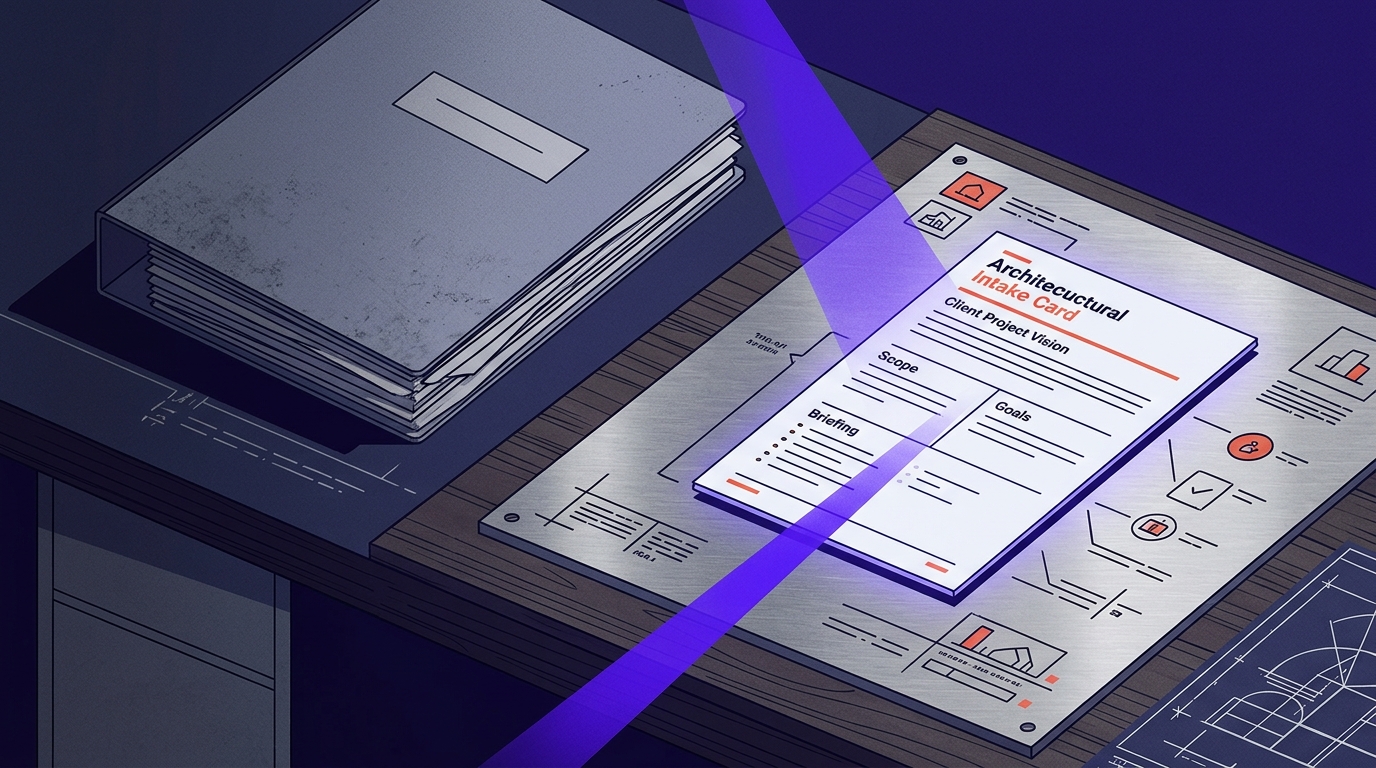
Traditional creative intake is plagued by transmission loss. A client team spends two weeks assembling a 15-page briefing deck filled with competitor moodboards, demographic personas, and generic mission statements. An account manager translates that deck into internal tickets. By the time it reaches the animator or layout designer, the real operational objective has been completely obscured.
After 14 years in broadcast animation and direct client execution, I abandoned long intake forms. Instead, every project begins with a 30-minute discovery conversation focused on four non-standard questions that standard agency briefs leave out.
The 4 Questions That Actually Matter
1. What is the real internal context behind this initiative?
Is this campaign answering a recent policy critique? Are you defending an annual budget allocation before a board of trustees? Knowing the political and organizational reality dictates tone far better than a list of adjectives like bold or modern.
2. How should this asset behave across physical and digital screens?
Will viewers watch this with sound muted on mobile feeds? Does it need to loop seamlessly on a keynote presentation stage? Will this report be printed on desktop office printers or viewed on mobile PDF readers? Physical context dictates typography size, aspect ratio, and contrast.
3. The Fear Question: What would make this project feel like a total failure?
Clients often hesitate to state what they hate. Asking directly what visual outcome would cause embarrassment eliminates entire categories of aesthetic risk before storyboard sketches begin.
4. Who holds final, uncontested sign-off authority?
Nothing inflates production budgets faster than surprise feedback from an executive who was never briefed during initial concept phases. Identifying the decision maker early protects the delivery timeline.
The One-Paragraph Contract
At the conclusion of the 30-minute intake, I synthesize the discussion into a single concise paragraph summarizing the goal, primary constraint, and single visual promise. Both parties sign off on that paragraph. That concise agreement becomes the sole creative filter against which every subsequent storyboard and animatic cut is evaluated.
For more on preparing your visual foundation before intake, see Is Your Brand Ready for Web, Social, and Motion?