
Every creative agency and independent designer knows the frustration of the vague creative brief. A two-line email requesting a bold, engaging campaign video or an annual report that pops almost always guarantees revision loops, missed deadlines, and budget exhaustion.
The standard advice to communications directors is usually to write longer, more comprehensive briefs. But after 14 years of delivering broadcast television graphics, agency campaigns, and corporate visual systems, I have found that longer documents rarely solve the problem.
A brief fails not because the client did not write enough paragraphs, but because the underlying visual system was never stress-tested for digital, motion, and multi-format deployment in the first place.
The Missing Foundation: The Multi-Channel Brand System
Most brand guideline documents are designed for static print: a primary logo, three brand colors with CMYK codes, a corporate typeface, and two rules about logo clear space. These static PDF guidelines completely break down the moment assets enter modern multi-channel production.
Before commissioning your next campaign spot, explainer video, or social motion suite, audit your brand foundation against these four production criteria:
1. Web & Responsive Digital Hierarchy
Do your typography and color styles include verified contrast ratios that comply with WCAG accessibility standards? Do you have defined styling for secondary badges, metric callouts, and interactive button states? When digital layouts need to shrink from desktop monitors down to mobile screens, an undefined secondary hierarchy creates unreadable layouts.
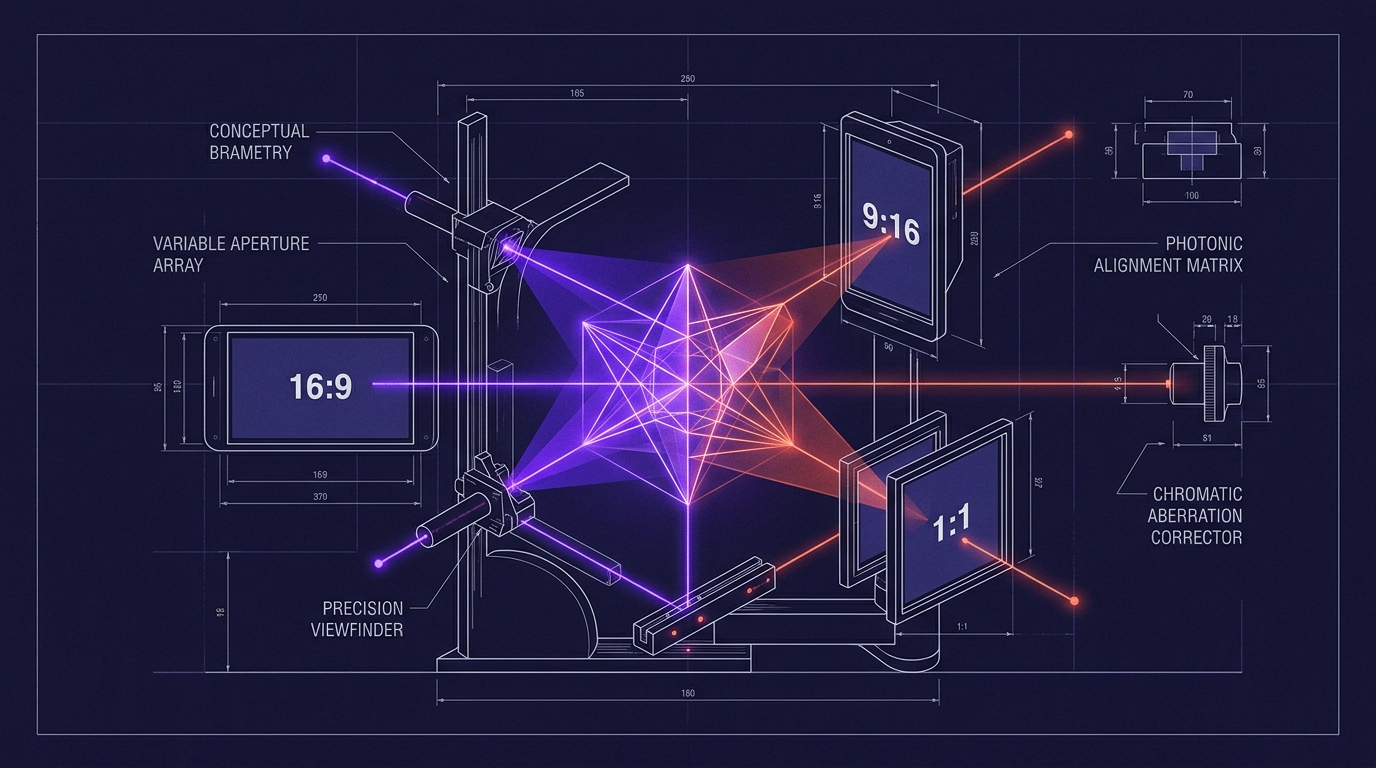
2. Multi-Format Social Aspect Ratios (16:9, 9:16, 1:1)
A campaign cannot live in widescreen alone. Assets must deploy across LinkedIn feeds (1:1 square), YouTube or web embeds (16:9 widescreen), and Instagram Reels or TikTok (9:16 vertical). If your brand illustrations and typography are not designed modularly, vertical cuts chop off critical copy or push logos underneath app UI buttons.
3. 2D Motion & Kinetic Behavior
How does your logo enter a frame? Does your typography snap in with clean kinetic cuts, or glide with subtle easing? Answering these motion behavior questions upfront prevents every new animator or contractor from inventing conflicting movement styles for your organization.
4. Executive Decks, AGM Decks & Annual Reports
Campaigns generate momentum, but leadership presentations and annual impact reports secure funding and stakeholder trust. Your brand system needs clean data visualization presets, slide master templates, and accessible editorial layout rules that turn dense annual reports into compelling reading.
The Foundation System as an Optional, Sensible Investment
For organizations planning recurring marketing or policy campaigns, developing a comprehensive multi-channel brand system is an optional, highly sensible upfront investment. It transforms ad-hoc guesswork into a reliable, repeatable production machine.
Once this foundation is established, writing campaign briefs takes 30 minutes instead of days. See our companion guide on The 30-Minute Intake: Why a One-Paragraph Brief Beats a Ten-Page Document for how an authentic intake conversation locks in project direction before a single frame is animated.